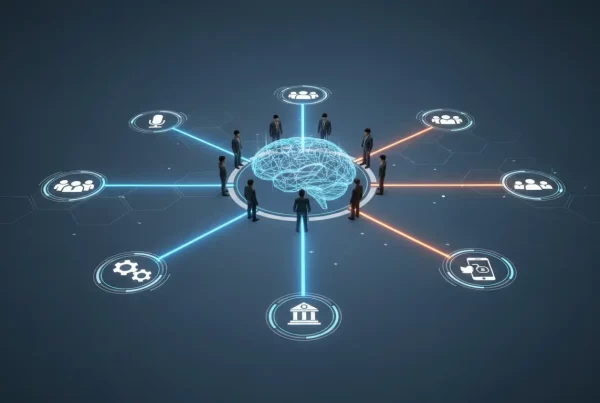

Artificial intelligence is transforming how organizations operate. From data analysis and automation to content generation and predictive insights, AI technologies promise faster processes and improved efficiency. Yet the companies that truly gain a competitive advantage are not those that simply automate everything. The organizations that succeed understand that artificial intelligence must strengthen human capabilities rather than replace them.
A human-first AI strategy recognizes that technology works best when it enhances human intelligence. While AI excels at processing large amounts of information, recognizing patterns and generating initial outputs, human professionals remain essential for strategic thinking, creativity, leadership and ethical decision-making.
Businesses that combine these strengths create a powerful synergy. AI accelerates operational work and reveals insights, while people interpret results and transform them into meaningful strategies that drive growth and innovation.
What Is a Human-First AI Strategy?
A human-first AI strategy is an approach where organizations design their AI adoption around human expertise and decision-making. Instead of allowing algorithms to dictate processes, companies define clear roles for both humans and machines.
In this model, artificial intelligence handles repetitive tasks, large-scale data analysis and operational automation. Human professionals, on the other hand, remain responsible for interpretation, strategy, creative thinking and leadership.
This balanced model ensures that businesses benefit from technological efficiency without losing the strategic insight that only people can provide. Many organizations integrate AI initiatives within broader communication and innovation frameworks such as strategic communications, ensuring that technology aligns with long-term business goals.
Why the Human Element Matters More Than Ever
Artificial intelligence can process enormous volumes of data, but it cannot fully understand context, culture or human relationships. These limitations highlight why human expertise remains critical.
As AI adoption accelerates across industries, the value of human skills such as creativity, empathy, critical thinking and leadership increases significantly. These abilities enable organizations to interpret AI outputs correctly and apply them in ways that create real value.
Businesses that rely purely on automation risk producing generic outputs that lack originality and strategic depth. Organizations that integrate human insight into their AI workflows, however, can create distinctive ideas, authentic communication and innovative solutions.
The Core Principles of a Human-First AI Strategy
Human Strategy, AI Execution
In a human-first model, people define strategy and direction. AI tools assist by analyzing data, generating drafts or automating repetitive steps. This ensures that business decisions remain guided by human intelligence while operational tasks become more efficient.
AI Drafts, Humans Refine
Artificial intelligence can quickly produce reports, outlines and initial content. However, these outputs must always be reviewed and refined by humans. Professionals ensure that the information is accurate, aligned with brand values and strategically relevant.
Human Accountability
No matter how advanced AI systems become, humans remain responsible for decisions and outcomes. Maintaining human oversight protects organizations from errors, bias and reputational risks while ensuring ethical use of technology.
AI as an Augmentation Tool, Not a Replacement
One of the most common misconceptions about artificial intelligence is that it will replace professionals entirely. In reality, AI primarily transforms work rather than eliminating it.
Automation is extremely effective for repetitive tasks such as data processing, monitoring performance metrics and generating first drafts. However, complex work still depends on human judgment, creativity and experience.
When organizations integrate AI as a support tool, professionals gain more time to focus on high-value activities such as innovation, strategic planning and relationship building.
Building an Effective Human-AI Collaboration Model
To implement a human-first AI strategy successfully, organizations must clearly define how humans and AI interact within workflows.
A practical collaboration model often includes three key layers:
- AI-driven data analysis where systems process large datasets and identify patterns
- Human interpretation where professionals analyze insights and translate them into strategy
- Continuous feedback loops where human input improves AI performance over time
When these layers are aligned, AI becomes a powerful partner that enhances productivity and innovation.
The Role of Communication in AI Strategy
Successfully implementing artificial intelligence also requires clear communication inside and outside the organization. Employees need to understand how AI tools support their work, while stakeholders must trust how technology is used.
Organizations that communicate their AI initiatives effectively often integrate them into broader reputation and visibility strategies, including professional media relations. Transparent communication helps companies demonstrate leadership in innovation while maintaining credibility.
Additionally, explaining complex AI concepts in accessible language often requires high-quality content creation. Thought leadership articles, expert interviews and strategic storytelling allow businesses to position themselves as innovators in their industry.
Leadership and Culture in the Age of AI
Technology alone does not determine the success of AI adoption. Leadership and organizational culture play a decisive role in how artificial intelligence is integrated into daily operations.
Executives must encourage experimentation with AI tools while maintaining a strong focus on human capabilities. Training programs should not only teach employees how to use technology but also strengthen critical thinking, creativity and collaboration.
Companies that invest in both technology and talent will build resilient organizations capable of adapting to rapid change.
The Risks of an AI-First Approach
While artificial intelligence offers enormous opportunities, an AI-first mindset can create significant risks if human oversight is neglected.
One risk is over-automation. Organizations may generate large volumes of automated outputs that appear efficient but lack accuracy or strategic depth.
Another challenge is the gradual erosion of human expertise. When employees rely too heavily on automated systems, critical thinking skills can weaken.
A human-first AI strategy avoids these problems by ensuring that people remain actively involved in decision-making and interpretation.
How Human-First AI Drives Innovation
When human intelligence and artificial intelligence collaborate effectively, innovation accelerates dramatically.
AI systems can analyze trends, generate ideas and test possibilities faster than traditional research methods. Human professionals then evaluate these ideas, refine them and transform them into strategic initiatives.
This combination expands creative capacity. Teams can explore more opportunities, validate ideas faster and bring solutions to market more efficiently.
Organizations that communicate these innovations strategically can also generate industry recognition and even free publicity through expert positioning and media exposure.
The Future of Human Intelligence in the AI Era
The next decade will see artificial intelligence integrated into nearly every industry. Yet technological capability alone will not determine success.
The organizations that thrive will be those that understand how to combine artificial intelligence with human intelligence. Strategic thinking, creativity, empathy and leadership will remain essential capabilities.
A human-first AI strategy ensures that technology strengthens these qualities rather than replacing them, enabling businesses to grow sustainably in an increasingly digital world.
Ready to communicate your innovation and AI strategy?
Our experts help organizations translate complex innovation into clear communication, visibility and strategic growth.Plan a strategic conversation
Frequently Asked Questions About Human-First AI
What does human-first AI mean?
Human-first AI refers to designing artificial intelligence systems that enhance human capabilities rather than replacing them. Humans remain responsible for strategy, interpretation and ethical oversight.
Why is human oversight important in AI systems?
Human oversight ensures that AI outputs are accurate, ethical and aligned with business objectives. It prevents bias, errors and misuse of automated systems.
Can AI replace human professionals?
AI can automate repetitive tasks and support data analysis, but complex work such as leadership, creativity and strategic thinking still depends on human intelligence.
Which industries benefit most from human-AI collaboration?
Nearly every industry can benefit, including marketing, technology, healthcare, finance and manufacturing. Human-AI collaboration improves productivity and innovation across sectors.
How can companies start implementing a human-first AI strategy?
Organizations can begin by identifying tasks suitable for automation, training employees to work effectively with AI tools and establishing governance frameworks that maintain human accountability.