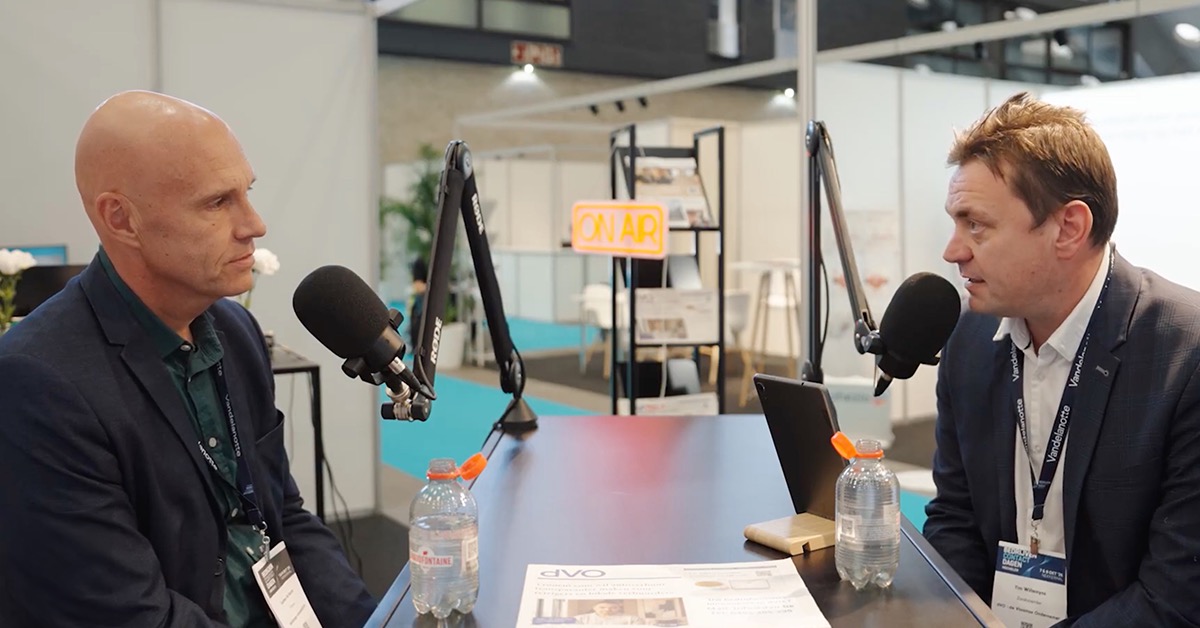
PR is moving faster than most companies realize. AI drafts text in seconds, journalists work digital first under click and reach targets, CEOs build their own following on LinkedIn, and a reputation can turn in a single afternoon. dVO (de Vlaamse Ondernemer) invited Gunther of Backstage Communication to unpack all of that for its YouTube series “Verdwijnt het PR-bureau door AI? De toekomst van communicatie”. Watch the full conversation below, then read our take on the sharpest moments.
What is PR, really, according to Backstage
Gunther opens by separating press relations from public relations. Public relations covers every channel that builds a company’s visibility, not only journalists, and it can include events, campaigns and product launches as much as media coverage. Backstage starts every client relationship by listening to long-term goals first, then matches the channel to that goal instead of running one fixed playbook for everyone.
Why AI is squeezing the classic agency model
Gunther is direct about this shift. AI now automates copywriting, translation and other tasks that used to train junior consultants, which makes it harder for them to build the experience needed to grow into senior roles later. Backstage answers this by staffing client teams with consultants who already carry 15 or more years of sector experience, treating AI as a growth engine rather than a replacement for people. That keeps the line between client and consultant short: a direct call, email or WhatsApp message instead of a layered account structure.
How digital first journalism changes the story
Journalists no longer write for print first. They are judged on click rates, podcasts and reach, and that pressure pushes some outlets toward a sensational headline instead of the company’s actual news. Backstage’s answer is thorough preparation before any interview, rehearsing the toughest possible questions with a client, a discipline our media training work and our guide to media training in Belgium both cover in more depth.
What happens in the dangerous last minute of an interview
The host shares his own rule of thumb, that the most important question is always the one asked at the end, and Gunther confirms it without hesitation. He explains that a client’s guard drops right after they think the interview is over, which is exactly when a stray last-minute remark gets picked up. His own words on the subject are blunt: “off the record does not really exist.” Once a fact with real news value is said out loud, it is the journalist’s call whether to use it.
Why a news hook is not the same as a marketing message
Gunther notices that CEOs often mix genuine excitement about a new product with actual news value, and those are not the same thing. Part of Backstage’s job is finding the real hook in a story before pitching a journalist, and sometimes the honest advice is to buy an ad or run a content campaign instead of chasing press coverage that will not land.
How PR results get measured today
KPIs have moved from printed clippings to online reach: views, clicks and shares that a client can immediately reuse on their own LinkedIn page and company channels. That shift makes PR results easier to report and easier to prove, a change we break down further in our piece on measuring PR results.
How AI is turning clients into thought leaders
Backstage now uses AI to scan a sector’s news for a client, then brings relevant topics to that client instead of waiting for them to propose a story. This flips the usual agency role, and Gunther notes that SMEs gain the most from it, because decisions run directly through an owner or C-level contact rather than through a layered marketing department. It is the same mechanism we describe in our article on thought leadership on LinkedIn.
What crisis communication requires before the crisis hits
Gunther’s clearest warning is about preparation that fails at the worst moment: a communication plan is useless if it only lives on a server that a cyberattack takes down over a weekend. His rule is simple, no improvisation, and a holding statement first while the situation gets investigated. We cover that exact scenario in our piece on continuity plans without a communication plan.
What Gunther’s quick-fire answers revealed
- Personal pitch over a press release
- A personal LinkedIn profile over a corporate page
- One strong article over 100,000 social impressions
- “A clear opportunity for PR”, on whether AI is a threat
- Reputation itself as the most underestimated factor in communication
What this means for your company
If any of this sounds familiar, from a journalist chasing the wrong angle to a crisis plan that only lives on one server, Backstage builds the structure around it. That spans media relations, media training, crisis communication and CEO positioning and ghost writing, all built around the same idea Gunther describes in the video: listen first, then match the channel to the goal.
Want to talk through what this looks like for your company? Get in touch with Backstage.